What %DV actually measures, and why five entries have no number
The percent daily value column confuses more people than any other part of a label. Here is what it is measuring and what its absence means.
A percentage of what?
The percent daily value compares the amount in a serving with a reference intake set for the general population. It is not tailored to you: it does not know your age, your size, your diet or your blood tests. It is a rough ruler, and a useful one, but a ruler all the same.
Why some entries have no percentage
Because no reference intake exists for them. Vitamins and minerals have one; most amino acids and botanical extracts do not. Two asterisks and a footnote reading daily value not established simply mean there is no official figure to measure that entry against.
On the MemoClear panel, niacin is declared at 7.5 mg NE, which is 47 per cent of the daily value, and calcium at 18 mg, which is 1.5 per cent. The five amino acid entries — L-arginine, L-arginine AKG, L-citrulline HCL, L-citrulline malate and beta alanine — all carry the asterisks.
High percentages are not automatically good
A label boasting 5,000 per cent of a B vitamin is not five times better than one at 100 per cent. For water-soluble vitamins the surplus is mostly excreted; for fat-soluble ones it can accumulate. Several nutrients have a tolerable upper intake level, and niacin is one of them: 35 mg a day from supplements for adults. A capsule at 7.5 mg sits comfortably under it.
The practical way to use the column
Add up what you are already taking. People who take a multivitamin, a separate B complex and a third supplement often find the same nutrient counted three times. The percentages let you notice that. That is really what the column is for.
Questions on this article
The RDA is a recommended intake set for a particular age and sex group. The daily value used on labels is a single simplified figure derived from those, so one number fits every package.
Niacin equivalents. Your body can make a small amount of niacin from the amino acid tryptophan, and the NE unit counts both sources.
More from the MemoClear articles
Nitric oxide in plain English
A gas your blood vessels make on purpose, why a Nobel Prize was given for finding it, and why amino acids keep appearing in supplements because of it.
Read it How toHow to read a supplement facts panel in two minutes
Serving size, percent daily value, the two asterisks, and the proprietary blend trick. Once you know the shape of the panel you can judge any bottle.
Read it EverydayBrain fog: what people mean by it, and what actually helps
Brain fog is not a diagnosis. It is a description, and the things that shift it most are unglamorous, free and well evidenced.
Read it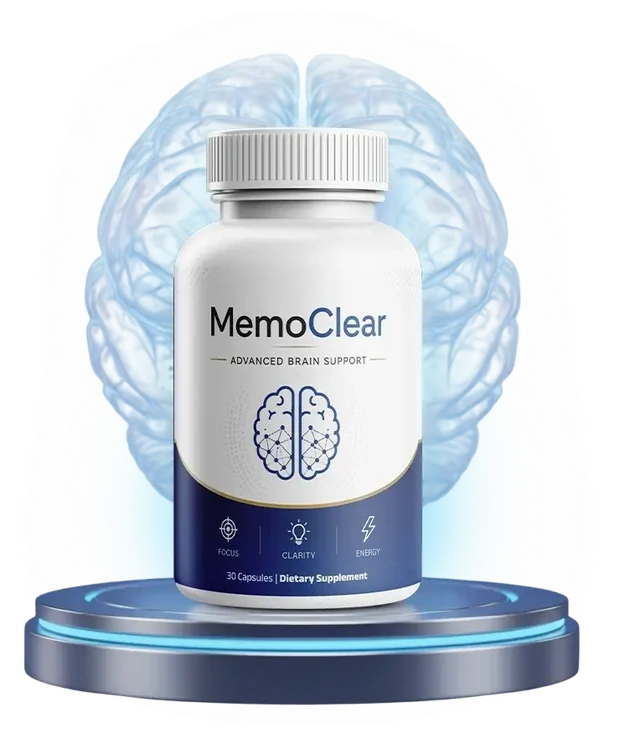
Order MemoClear today
Pick a two, three or six bottle order at the seller's checkout. Two months from the day it lands to decide whether you keep it.
The order is completed on the seller's own secure checkout, where the final total, your address and your payment are confirmed. Sixty days to ask for the money back, counted from the day the parcel arrives.