Brain fog: what people mean by it, and what actually helps
Brain fog is not a diagnosis. It is a description, and the things that shift it most are unglamorous, free and well evidenced.
It is a description, not a diagnosis
Nobody is diagnosed with brain fog. People use the phrase to describe a cluster of experiences: slow thinking, words that will not come, losing the thread of a sentence, reading a paragraph three times. Those are real and worth taking seriously, but the phrase itself carries no medical meaning.
That matters because what produces it differs so much from one person to the next. A run of short nights will do it. So will dehydration, skipping meals, a stressful few weeks, too many things asking for attention at once, or a long stretch of not moving much.
The four things with the most evidence behind them
Sleep. Not sleeping enough damages attention and working memory more reliably than almost anything else you can do to yourself, and the effect is measurable within a night or two. Regular timing matters as much as total hours.
Movement. Moderate aerobic exercise has more evidence behind it for cognitive function in adults than any supplement on the market. Walking counts. It is free, and it also improves sleep, which compounds the effect.
Water and food. Mild dehydration measurably affects attention. So does skipping meals. Neither is exciting advice, which is presumably why it sells so badly.
Attention itself. A great deal of what people call fog is the residue of switching between things every ninety seconds. Doing one thing at a time for twenty minutes is a skill that comes back with practice.
Where a supplement fits
Alongside the four habits above rather than in place of them. Somebody who sleeps badly, sits all day and skips breakfast will not fix that with a capsule, and nobody selling one should pretend otherwise. Somebody who has those four roughly in hand and wants to add a daily supplement has a reasonable question about which one, and the answer starts with reading the panel: the how to take it page shows what that looks like for MemoClear.
Questions on this article
No, and that is the point of the article. The phrase covers everything from a bad night's sleep to plain dehydration, which is why one fix does not suit everybody.
It helps alertness in the short term and can make sleep worse, which makes the next day harder. It is a loan rather than an income.
More from the MemoClear articles
Nitric oxide in plain English
A gas your blood vessels make on purpose, why a Nobel Prize was given for finding it, and why amino acids keep appearing in supplements because of it.
Read it How toHow to read a supplement facts panel in two minutes
Serving size, percent daily value, the two asterisks, and the proprietary blend trick. Once you know the shape of the panel you can judge any bottle.
Read it How toWhat %DV actually measures, and why five entries have no number
The percent daily value column confuses more people than any other part of a label. Here is what it is measuring and what its absence means.
Read it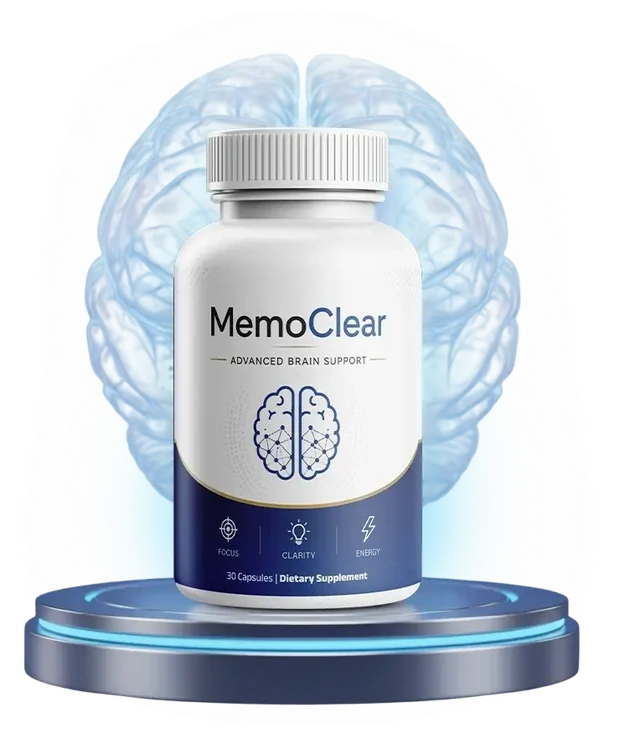
Order MemoClear today
Pick a two, three or six bottle order at the seller's checkout. Two months from the day it lands to decide whether you keep it.
The order is completed on the seller's own secure checkout, where the final total, your address and your payment are confirmed. Sixty days to ask for the money back, counted from the day the parcel arrives.