How to read a supplement facts panel in two minutes
Serving size, percent daily value, the two asterisks, and the proprietary blend trick. Once you know the shape of the panel you can judge any bottle.
Start at the top, not the front
The front of a supplement box is marketing. The panel on the back is a legal document with a fixed shape, and reading it takes about two minutes once you know what you are looking at.
1. Serving size
Every number below this line is per serving, not per bottle and not per day unless the serving is a daily one. A bottle promising a big number on the front sometimes gets there by making the serving three capsules. Check this first, every time.
2. Servings per container
Divide the price by this and you have the real cost per day. It is the single most useful sum you can do in a shop.
3. The amount column
What is actually in a serving, in milligrams or micrograms. Micrograms are a thousandth of a milligram, which is worth remembering when a label puts mcg and mg next to each other.
4. The percent daily value column
A percentage of an official reference intake. Only vitamins and minerals have one, which is why most amino acids and botanicals carry a symbol and a footnote instead. On the MemoClear panel, only niacin and calcium carry percentages; the five amino acid entries carry two asterisks meaning no daily value has been established.
5. The proprietary blend trap
This is the one worth learning. A proprietary blend is declared as a single combined weight with a list of names underneath and no amount for any of them. The names are printed in descending order of weight, so you know the first outweighs the second, but you have no idea by how much. A blend can be almost entirely its cheapest ingredient and still be labelled correctly.
It is legal and common. It is also the reason a label without one is worth noticing: the supplement facts page on this product prints all seven amounts separately.
6. Other ingredients
The capsule shell, binders, flow agents and colours. Hypromellose means a plant-based shell rather than gelatin. Silicon dioxide and magnesium or vegetable stearate are the ordinary powders that stop ingredients sticking inside a filling machine.
7. The statement at the bottom
These statements have not been evaluated by the Food and Drug Administration. This product is not intended to diagnose, treat, cure or prevent any disease. If a website quotes a supplement's benefits without that sentence anywhere near them, that tells you something about the website.
Questions on this article
No. Different ingredients work at wildly different amounts, and some are actively unwise in large quantities. The number is only useful once you know what a sensible amount for that ingredient looks like.
It is a reason to ask questions rather than a reason to walk away. A company that will tell you the split when asked is behaving differently from one that will not.
More from the MemoClear articles
Nitric oxide in plain English
A gas your blood vessels make on purpose, why a Nobel Prize was given for finding it, and why amino acids keep appearing in supplements because of it.
Read it How toWhat %DV actually measures, and why five entries have no number
The percent daily value column confuses more people than any other part of a label. Here is what it is measuring and what its absence means.
Read it EverydayBrain fog: what people mean by it, and what actually helps
Brain fog is not a diagnosis. It is a description, and the things that shift it most are unglamorous, free and well evidenced.
Read it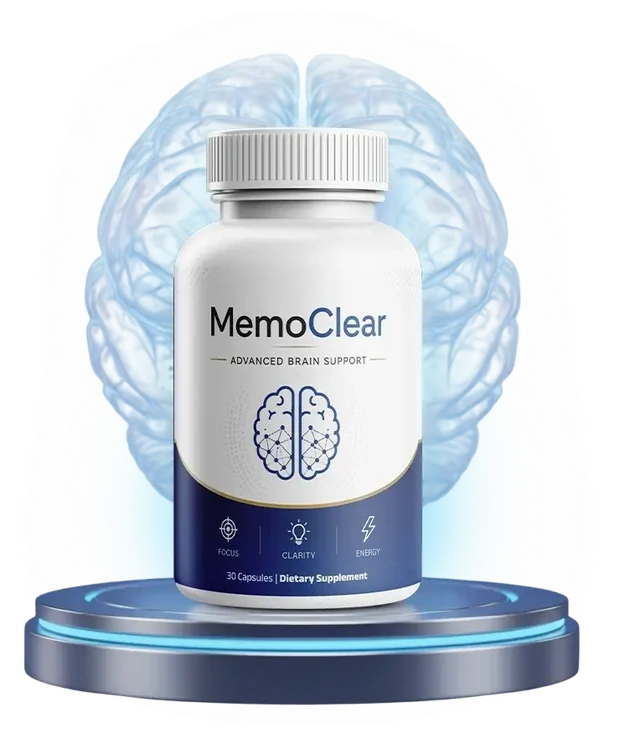
Order MemoClear today
Pick a two, three or six bottle order at the seller's checkout. Two months from the day it lands to decide whether you keep it.
The order is completed on the seller's own secure checkout, where the final total, your address and your payment are confirmed. Sixty days to ask for the money back, counted from the day the parcel arrives.